
Care for children, elderly parents, neighbors, patients, or students often remains invisible labor. Yet it is precisely this work that helps people survive and enables society to function during wartime.
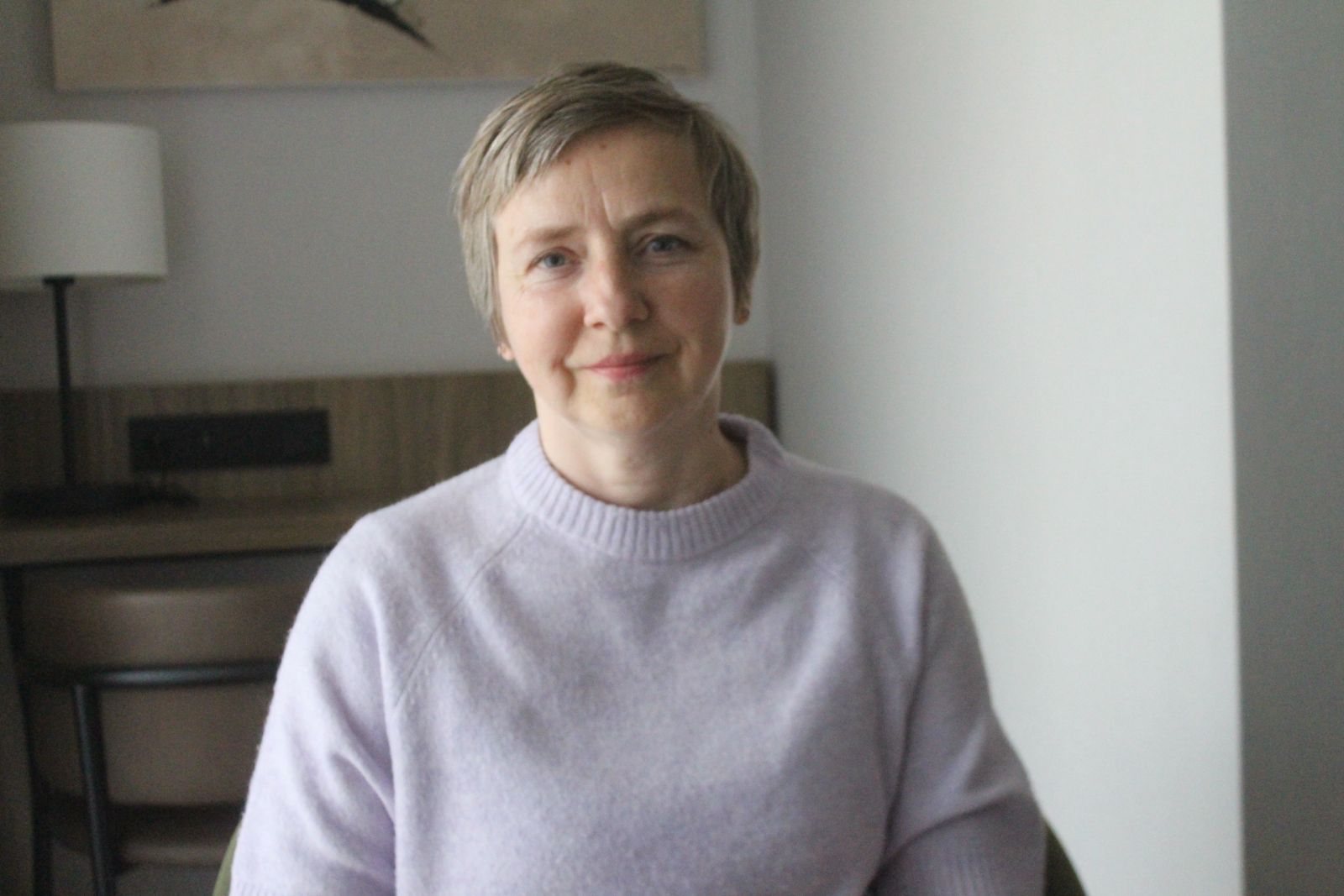
This is one of the key findings highlighted by Yuliia Soroka, Professor of Sociology at the V. N. Karazin Kharkiv National University and the Geneva Graduate Institute, and a participant in the research project “Caring to Survive, Surviving to Care.”
As part of the project, researchers conducted 59 in-depth interviews: 30 in Kharkiv region and 29 in Lviv and the surrounding region, because distance from the frontline significantly shapes people’s everyday experiences.
One of the central findings of the research is the recognition that care work is important not only for those who directly receive support, but for society as a whole.
Especially under conditions of constant stress, constant danger, and ongoing war, it is important to understand the significance of this activity for preserving society, Yuliia Soroka emphasizes.
According to the researcher, society still does not adequately recognize this work. This concerns not only unpaid care within families, but also professions in education, healthcare, and social services that make the daily reproduction of social life possible.
We experience a certain deficit of recognition. This is felt not only by researchers, but also by people working in social services, healthcare, education, and other fields connected to social reproduction, she notes.
At the same time, care is not only a responsibility or obligation. It is also a particular form of power and strength. Unlike forms of power based on coercion, the power of care is directed toward supporting other people and communities.
This power has a special character because it directs action toward another person, another group, or another community. It may be a family, a circle of friends, colleagues at work, or neighbors who come together to support one another, Soroka explains.
It is precisely through this form of strength that people find the resources to act even under the most difficult circumstances. Among the stories collected during the research are accounts of residents who returned to de-occupied territories and, together with their neighbors, began rebuilding villages that had been partially destroyed by war and fire, making them livable once again.
Equally important are personal stories of care and responsibility. Soroka recalls one interview participant who decided to evacuate her children from a temporarily occupied territory despite the considerable risks involved.
The research also points to the need to rethink how wartime societies value different forms of contribution. While the necessity of prioritizing military defense is widely recognized, this should not lead to the devaluation of those who sustain life and communities away from the front line.
For Soroka, recognizing care means understanding that without this everyday labor, neither community resilience nor the future recovery of the country would be possible.
Care should not remain invisible. Recognizing it is one of the ways to understand how society preserves itself during war.
More on the project “Caring to Survive, Surviving to Care: Gendered survival practices, social reproduction and circuits of violence in Ukraine” you can find on the page of the Geneva Graduate Institute.