
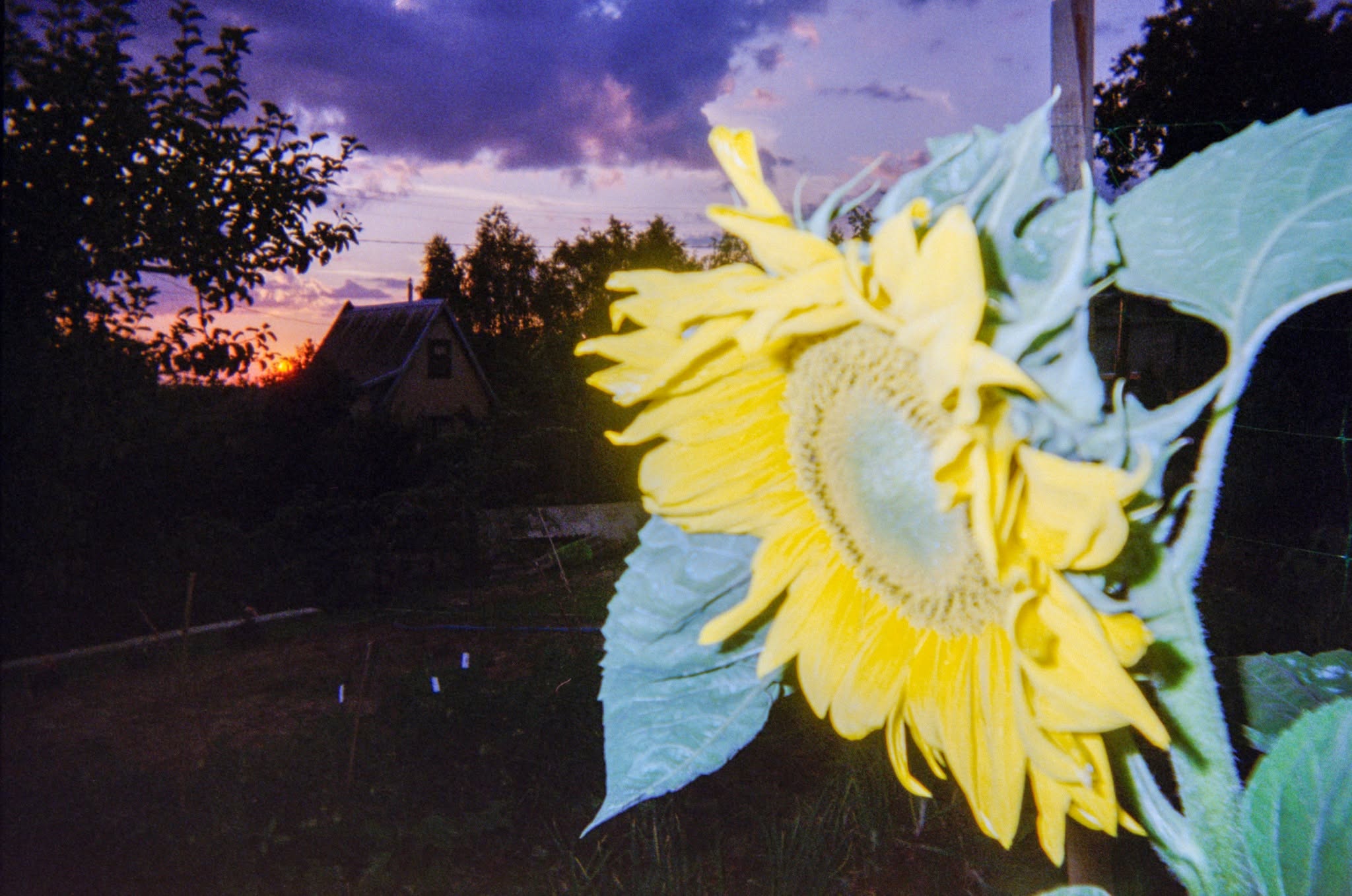
This autumn, the photo book Flowers During the War will be published as one of the outcomes of the research project Caring to Survive, Surviving to Care. The book brings together photographs taken by the project’s participants alongside their own stories and reflections on everyday life during Russia’s full-scale invasion of Ukraine.
According to researcher and interviewer Yuliia Vorotniak, the idea for the book emerged from a desire to create not only an academic output but also a tangible record of the project—something that would allow a wider audience to experience participants’ perspectives firsthand.
“We publish our texts alongside participants’ photographs and their captions explaining what these images mean. We really wanted to have something physical as a result of this project—not only research papers and analytical texts. We wanted to find a way to share these photographs so they could communicate the issues we were studying to a much broader audience.”
 The photo book became possible through the use of the Photovoice methodology, a participatory research approach that enables people to document and communicate their experiences through photography. The project was among the first in Ukraine to apply Photovoice as a comprehensive research methodology. Participants received disposable film cameras, attended introductory workshops on photography, and were invited to document moments that felt important in their daily lives. Once the films had been developed, the group came together to discuss each photograph.
“The most valuable material for our analysis was not the photographs themselves, but the conversations and reflections they inspired. Each participant presented their images, explained what was happening in their life at that moment, and shared the stories behind them. It felt a bit like looking through a family photo album, but at the same time these images prompted other participants to reflect on their own experiences and draw connections with their own lives.”
As the research team analyzed the photographs, they noticed an unexpected recurring theme: flowers and plants.
“There were so many plants and flowers. Even when they didn’t appear in the photographs, participants reflected on what had been lost—a garden, flowerbeds, or plants left behind somewhere else. Yet admiration for plants was everywhere: on windowsills, in courtyards, even in neighbours’ gardens or outside apartment buildings. That’s why we eventually named the book Flowers During the War.”
For many participants, caring for plants became a way to regain a sense of agency amid the uncertainty of war.
“When you take care of plants, you immediately see the results of your work. Some participants cultivated vegetable gardens; one participant rescued neglected cacti—people kept bringing them to her because she had an extraordinary ability to revive them. Seeing those plants recover gave a sense that you could still change something, that your efforts mattered. It was inspiring. Flowers continue to grow both during war and in times of peace.”
More than a collection of photographs, Flowers During the War is a visual archive of everyday life in wartime. Through images, personal narratives, and shared reflection, it offers a deeply human perspective on experiences that are often difficult to capture through words alone.
Переглянути цей допис в Instagram