
Ukraine’s reconstruction is about much more than rebuilding homes, roads, and infrastructure. Equally important is the restoration of social connections, trust, and communities that have been profoundly affected by war and forced displacement.
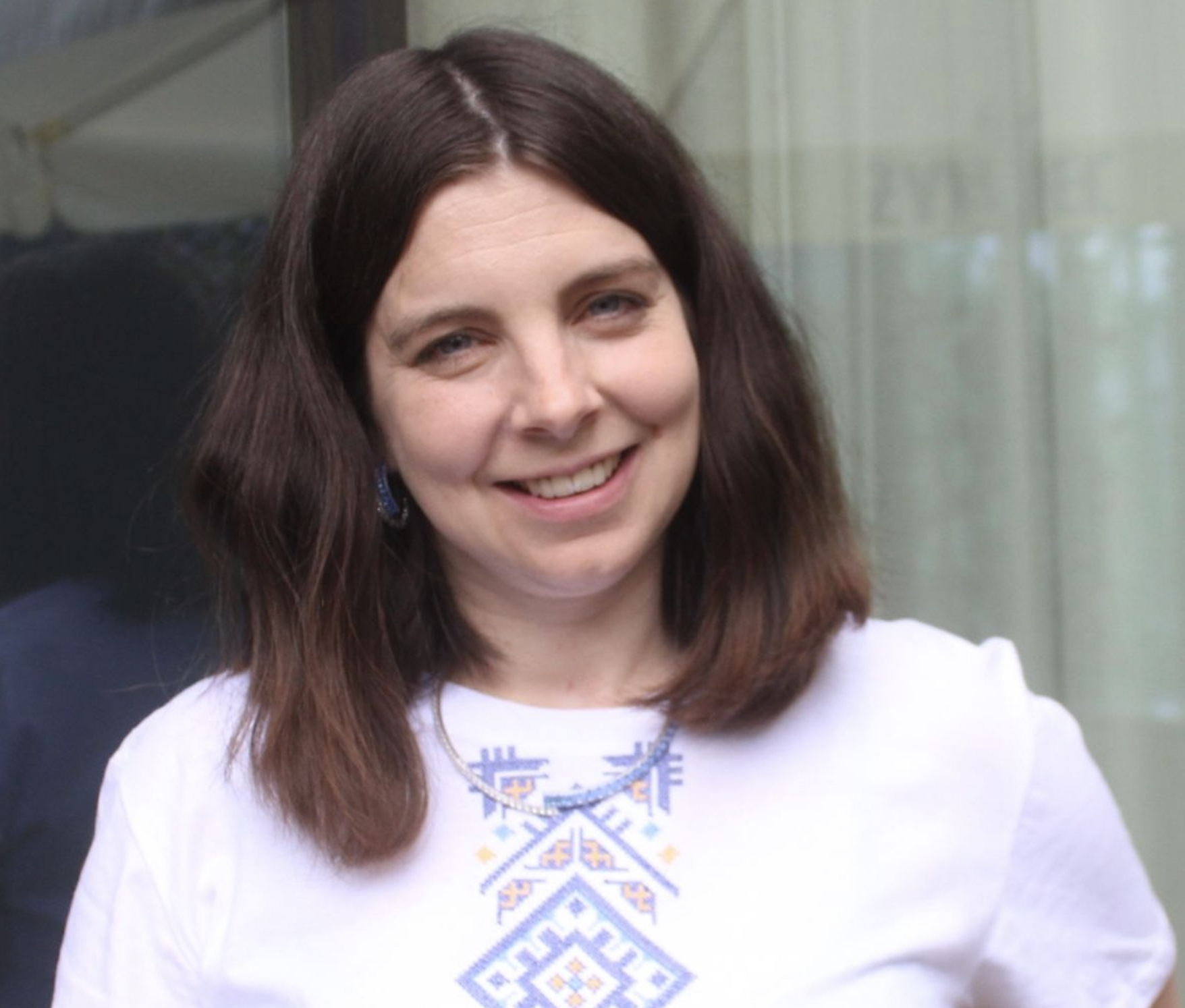
This is one of the key findings highlighted by Agnieszka Fal-Dutra Santos, project manager of the research project Caring to Survive, Surviving to Care at the Geneva Graduate Institute of International and Development Studies.
According to her, interviews conducted as part of the project show that people are investing significant effort in maintaining and rebuilding social ties after displacement.
“We see people trying to stay in touch with their relatives, trying to join new communities, and trying to organize something around themselves. We even had someone join a hiking club so that they could rebuild a sense of community in the place to which they had been displaced,” she explains.
These practices, she argues, play a crucial role in rebuilding trust and restoring a sense of belonging. Yet they are rarely recognized as part of reconstruction policy.
“We are seeing these efforts to rebuild social networks, to find ways to reconnect with people, to build new trust, and to develop trust in new places and with new people,” says Agnieszka Fal-Dutra Santos.
In her view, rebuilding the social fabric of society requires greater attention from policymakers and international partners.
“From what we have seen so far, this is not really recognized at the policy level as something that is happening or as something that is relevant to the reconstruction process. We need a more intentional, more planned, more structured, and more supported approach to restoring and rebuilding social networks and the social fabric,” she argues.
The research team has also been examining how war transforms communities. Interviews conducted in Kharkiv and Lviv reveal a striking paradox: communities often become more organized and mobilized during wartime, while at the same time becoming more isolated.
“This link between what happens to communities—how they become more organized and mobilized, but also somehow more isolated during war—and the impact this has on the kinds of care and support that are required is something very interesting that we are seeing emerge from our interviews,” Agnieszka Fal-Dutra Santos notes.
At the same time, the war has generated an extraordinary surge of solidarity. Communities have stepped in to fill gaps created by growing care needs and reduced access to public services.
“We see people organizing and mobilizing to bring food to those hiding in subway stations, people cleaning their neighborhoods and communities, rebuilding roads, helping displaced persons, and welcoming others into their own homes,” she says.
According to the researcher, these forms of mutual support have become one of society’s most important responses to the challenges of war.
At the same time, the disruption of social networks carries less visible consequences. Social connections are essential for organizing care for children, parents, loved ones, and ourselves. When these networks are broken by war or displacement, the burden on individuals increases significantly.
“We rely on social networks in order to provide and receive care in our daily lives. When they are disrupted by something like war, it changes the calculus. It changes the way we have to think about care, the way we have to plan it, and it increases the burden on the individual,” Agnieszka Fal-Dutra Santos explains.
Women often experience this burden most acutely, as they tend to carry a disproportionate share of invisible care work. Many participants in the study described the constant effort required to maintain contact with relatives scattered across different cities and countries.
“People have talked to us about how they put a great deal of effort—mental effort, planning, and constant thought—into staying in touch with relatives who may have moved away. This is a form of invisible labor that falls disproportionately on women, both practically and emotionally,” she says.
For this reason, Agnieszka Fal-Dutra Santos argues that supporting care work should become an integral part of reconstruction policies.
“As a result, women themselves also need care. They need more support, psychological care, and assistance, which is currently not sufficiently available, especially under wartime conditions,” she concludes.