
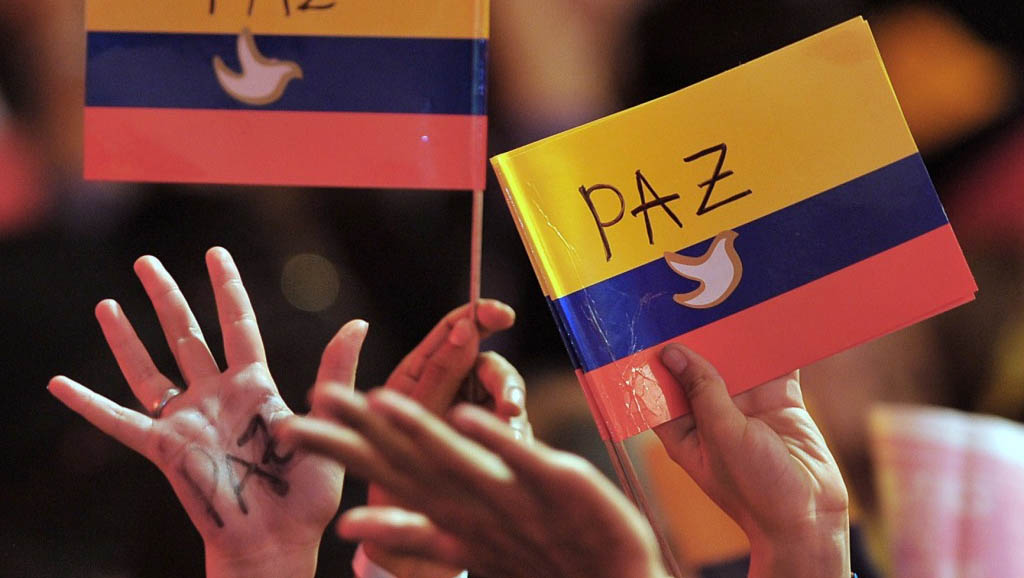
A just and sustainable peace requires the active inclusion of a feminist perspective, the participants of the project “Caring to survive, surviving to care” believe. An important example of the implementation of this approach was the 2016 peace agreement in Colombia, where armed confrontations between various rebel groups lasted for half a century. A significant part of this agreement and the development of further peace was the issue of gender equality, especially in terms of the representation of women in power.
However, the implementation and localization of these provisions were not easy. Agnieszka Fal-Dutra Santos, a participant in the “Caring to survive, surviving to care” project, together with two other authors Sonia Cardona and Francy L Jaramillo Piedrahita, devoted an article, “Taking Peace into Our Own Hands: Colombian Feminists Use Local Politics to Advance Their Agenda for Peace”, to studying this problem. Among other things, they found that in conditions where the implementation of norms can be achieved, they can also be modified according to the request of local women. For example, in addition to political representation and the fight against gender-based violence, issues of women’s economic rights are added.
We suggest that when women activists are able to successfully raise their profile and exercise their agency in the norm localization, the reshaping of the norm is the most likely outcome, the authors note.